From the start, this idea needed a whole world built in 3D: abandoned McDonald's spaces, photoreal, with the camera moving through them. It also had a date that couldn't move, the day A24's Backrooms opened in theaters. A traditional 3D pipeline (build everything, go through rounds with the client, then texture, light and render it all) would have taken more weeks than we had.
So before production, I worked with our 3D team on a pipeline where AI would be the final texture, lighting and rendering engine. They built the scenes in Cinema 4D and the camera moves in Blender, all in plain gray, and I stayed alongside them to ensure nothing would trip up the AI later. McDonald's gave us their own archive of 1990s restaurants and packaging, and those were the only references we used. I wrote up the whole approach, and our business affairs & agency teams walked the client through it before we began.
Then came what I call skinning. I pulled stills at key moments from each gray animation and used an image model to make them photoreal, matched to those references. A video model took the stills and the gray animation and rebuilt the shot in full color and light, following the original camera move. Every frame on screen was rendered by AI, on top of real 3D work. We also graded shots as we went, which kept us far more flexible than a traditional post pipeline, where color usually waits for a locked edit.
The pipeline cut about a third off the schedule, and with no long render stage at the end, we could keep making changes right up to the deadline. Over the final holiday weekend, our two generative filmmakers finished the four biggest shots, with revisions from the creatives and the client, in four days. That included a late change to one scene, a lot of balls falling out of a ball pit, which we pulled off with AI and some 3D compositing.
 Mickey Micklos
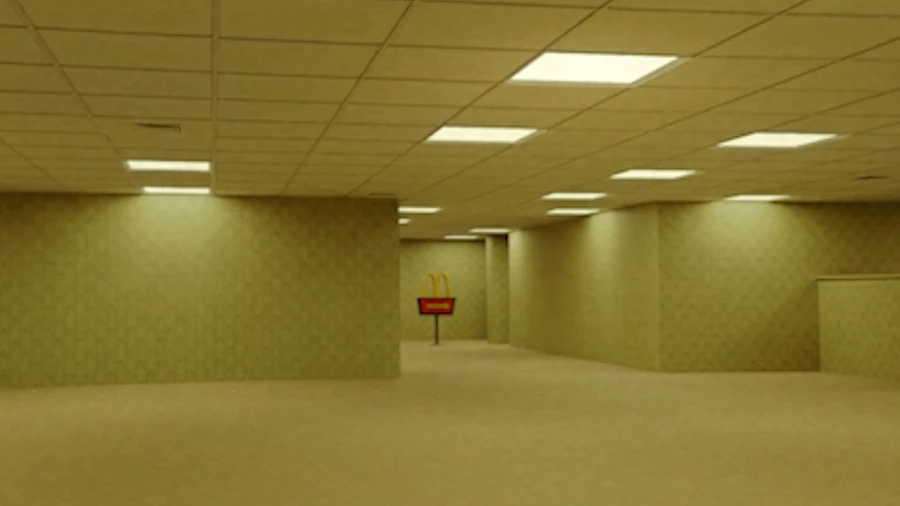 01 McDonald's Backrooms Campaign2026 · 2:12 · AI DirectingLATEST
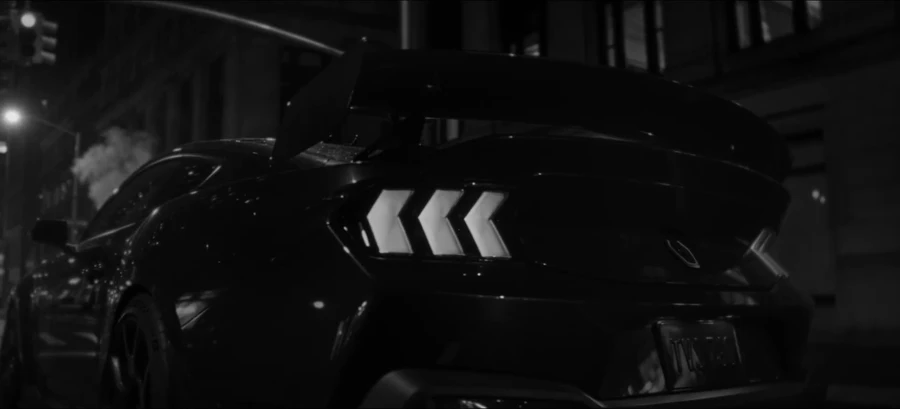 02 Ford Mustang DH SC - Street Ready2026 · 0:21 · AI Directing
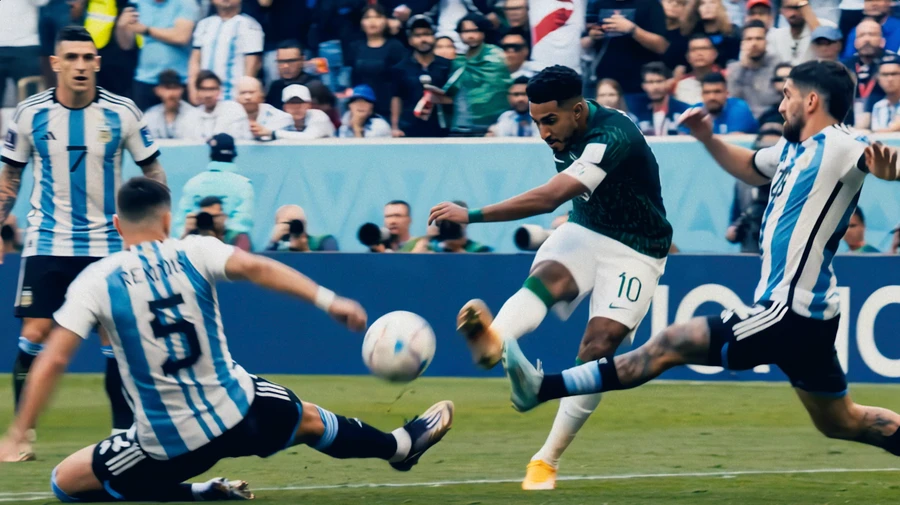 03 FIFA X SAVVY GAMES2026 · 0:52 · AI Directing
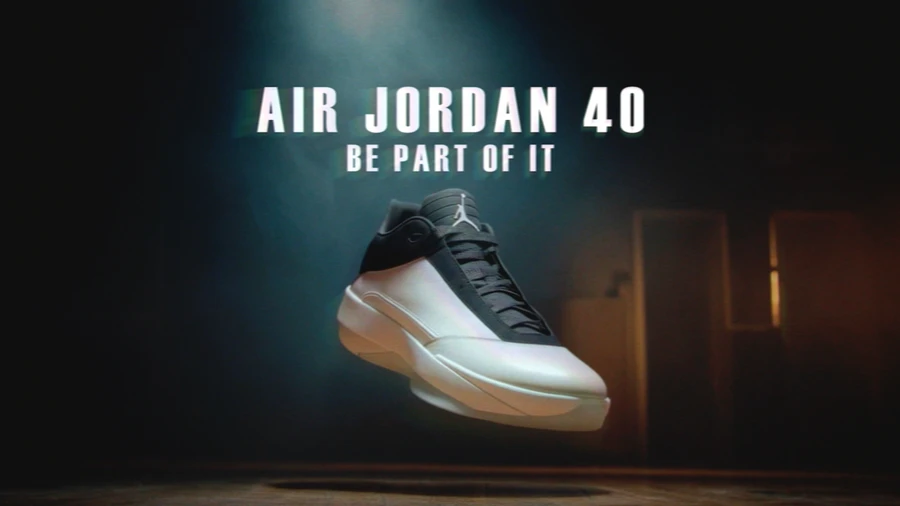 04 Air Jordan 40: Celebrating the Legend2025 · 1:05 · AI Directing
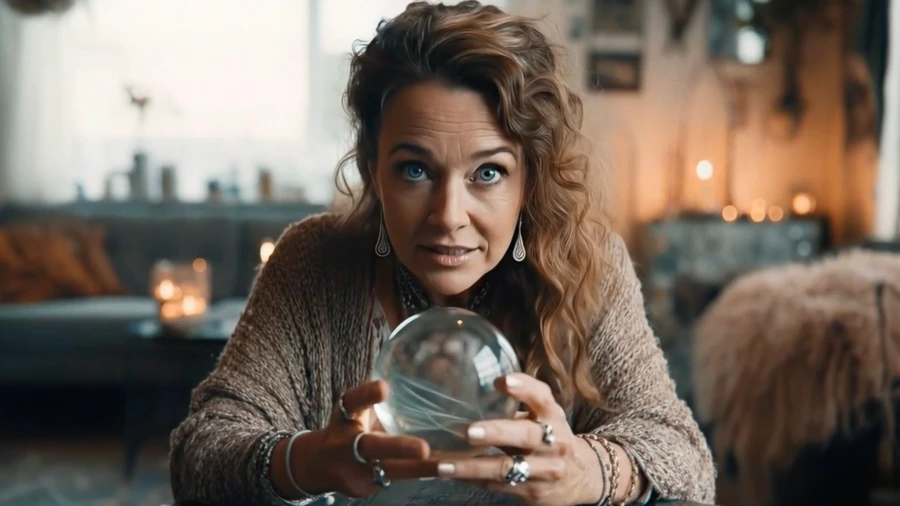 05 Uber Eats Destiny2025 · 0:32 · AI Directing
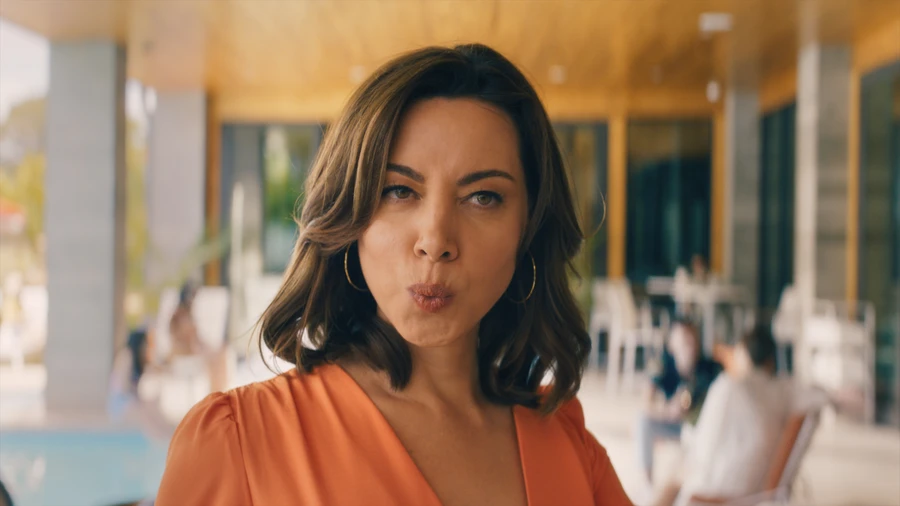 06 Cointreau2024 · 0:40 · Color
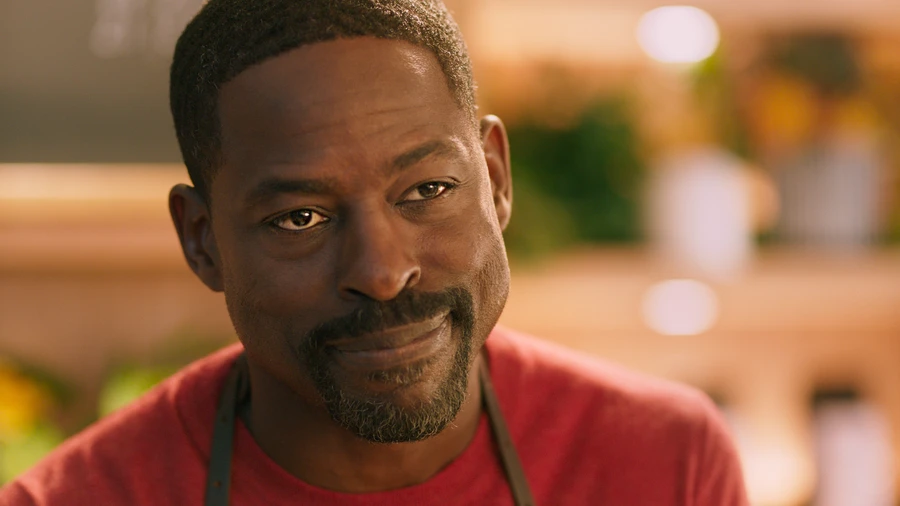 07 MASTERCARD – MAGNIFICENT2023 · 0:30 · Color
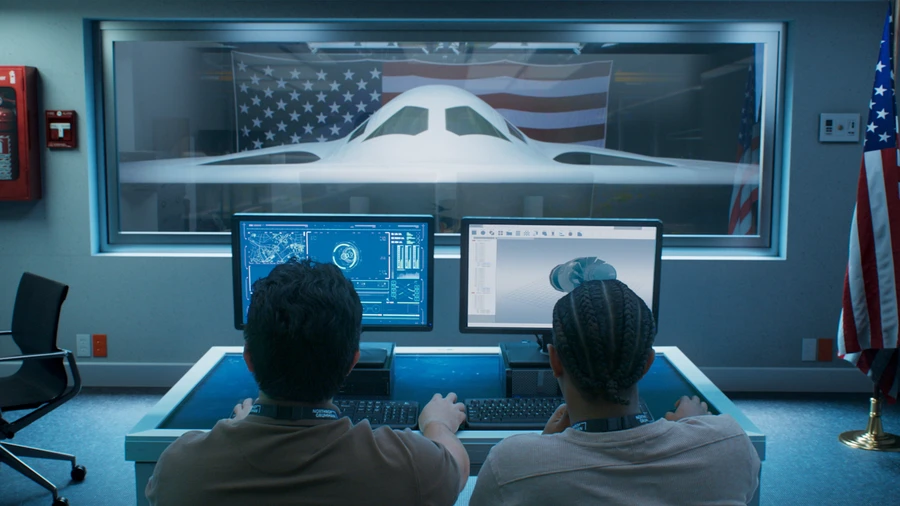 08 Northrop Grumman Reel2024 · 4:30 · Color
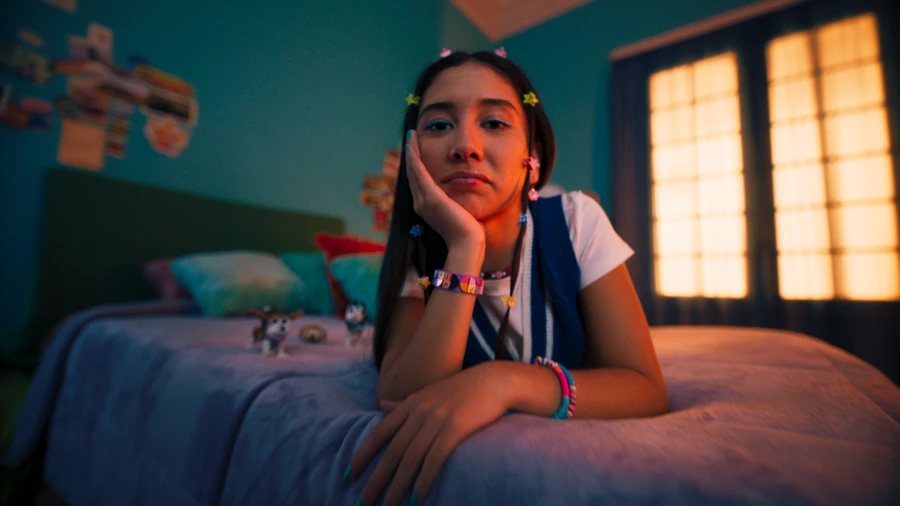 09 LEGO Color Reel2025 · 2:24 · Color
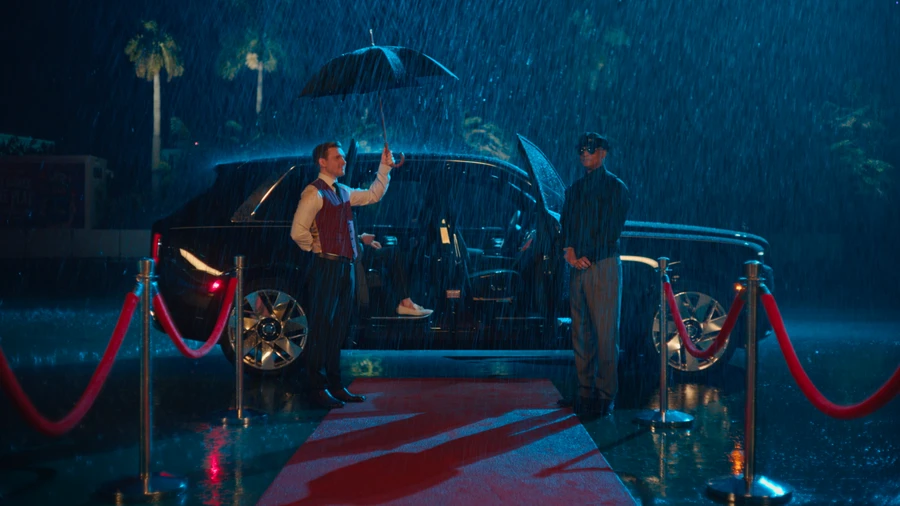 10 Magic City Casino2025 · 0:49 · Color
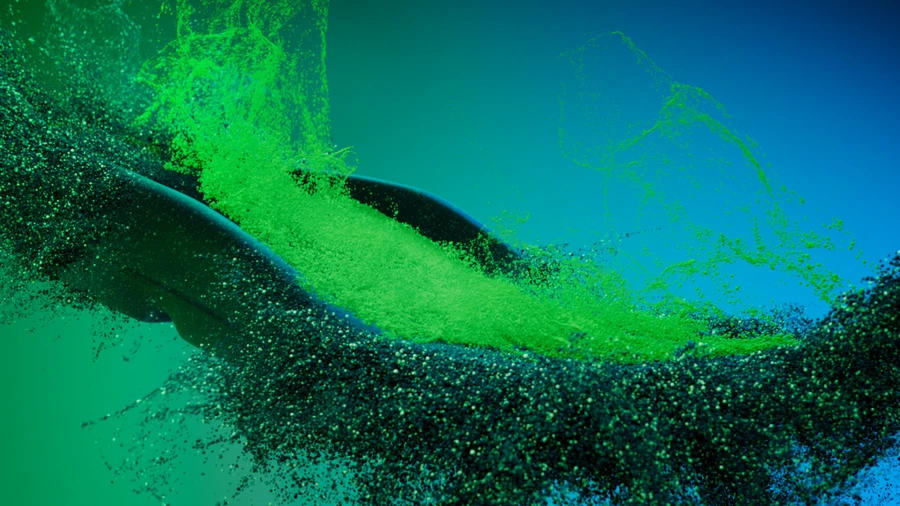 11 OOFOS2024 · 0:30 · Color
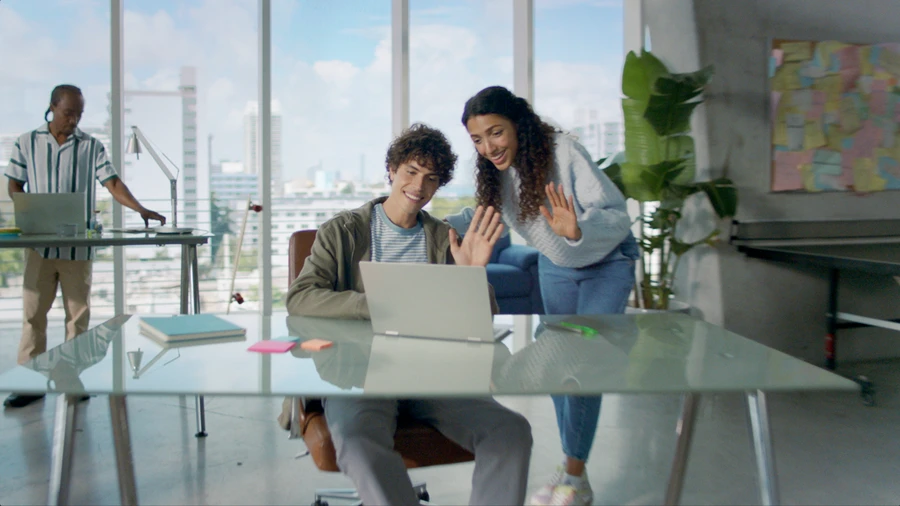 12 Intel – Creativity2023 · 0:15 · Color
 13 BROOKS – SHOES2023 · 0:57 · Color
 14 Citrix – Formula 12023 · Color
 15 FUZZY2023 · 0:15 · Color
 16 NORTHROP – LAST BAGEL2023 · 0:15 · Color
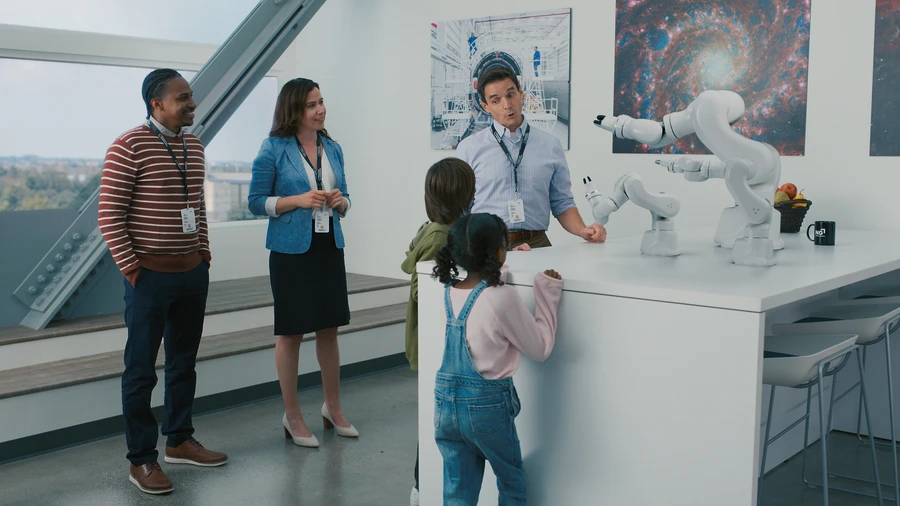 17 NORTHROP – ROBOT KIDS2023 · 0:15 · Color
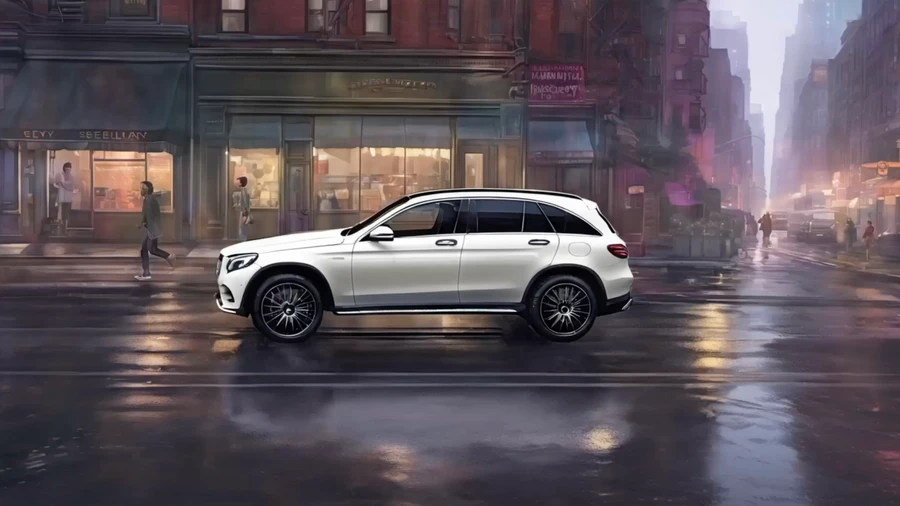 18 Mercedes – NeRF Intelligence2023 · 0:30 · AI Directing
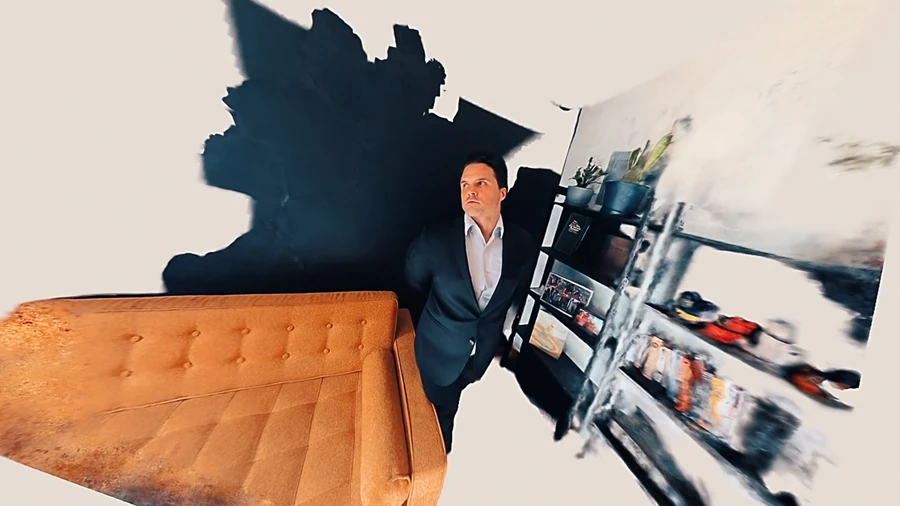 19 Dinner Party2023 · 0:59 · AI Directing
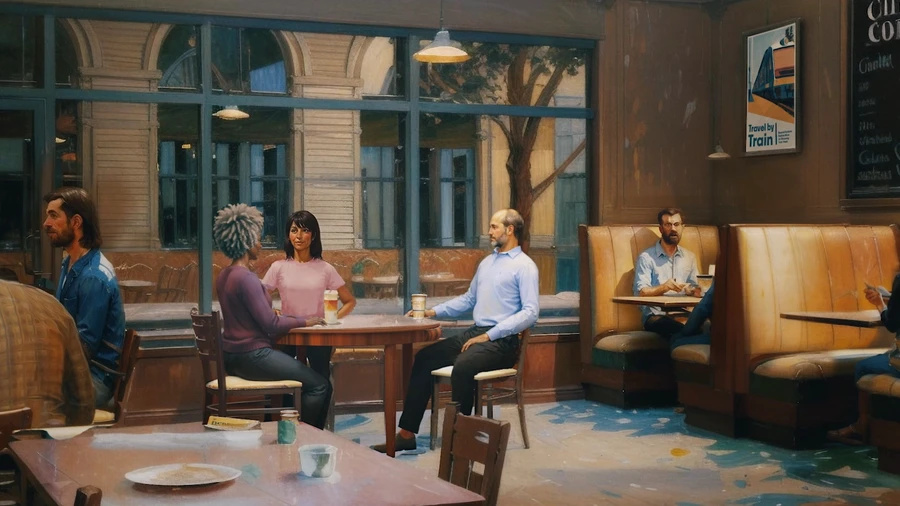 20 Novartis – Animated Series2023 · 2:43 · AI Directing
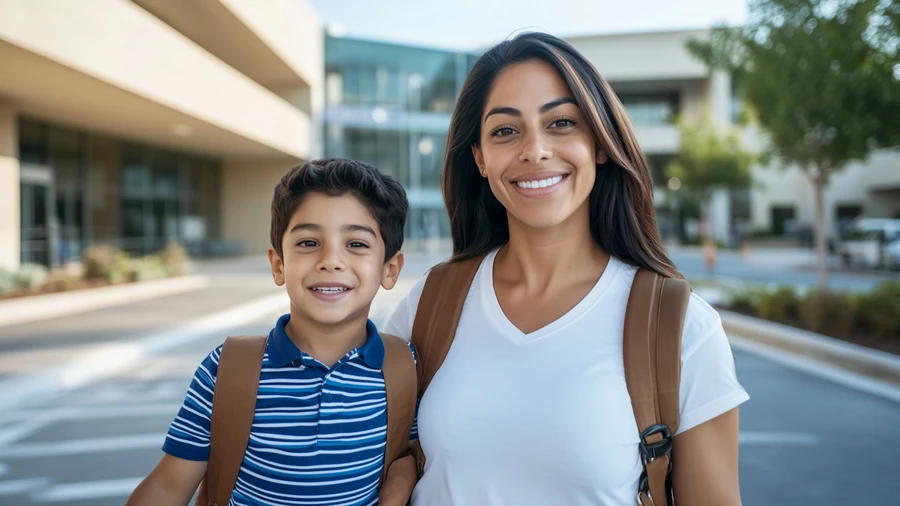 21 Memorial Hermann – Board-o-matics2023 · 1:03 · AI Directing
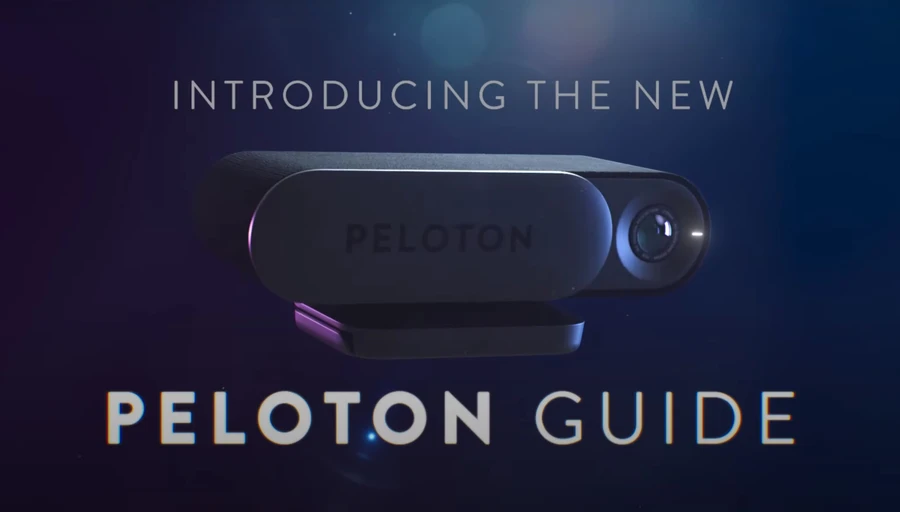 22 Peloton – Guide2022 · Color
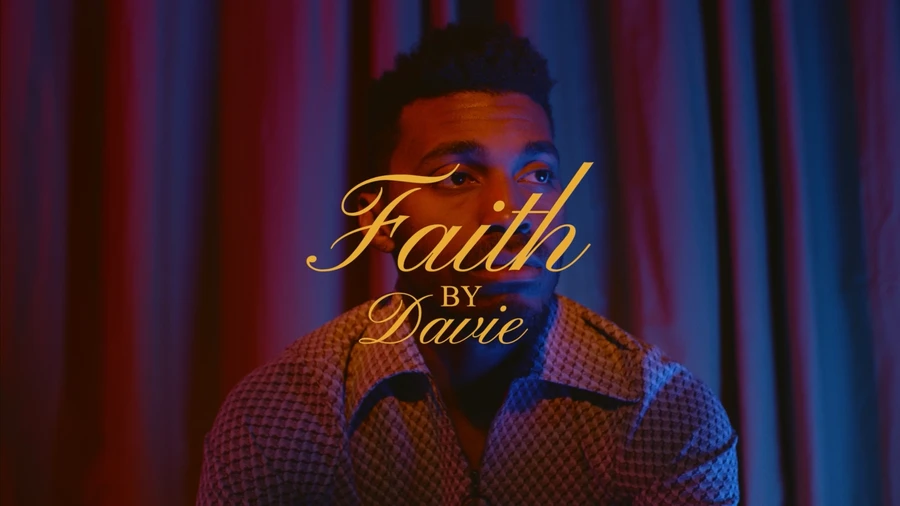 23 DAVIE – Music Video2022 · 3:07 · Color
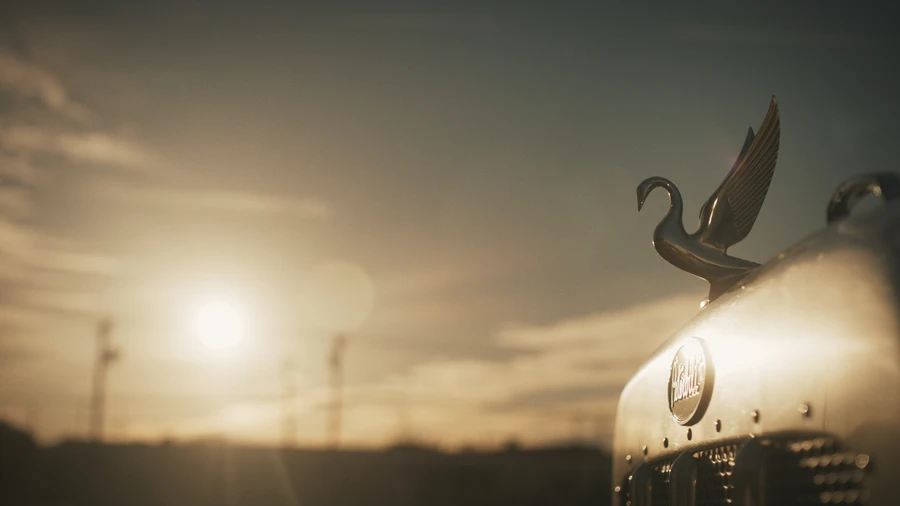 24 Einride – Remote Truck Driver2022 · Color
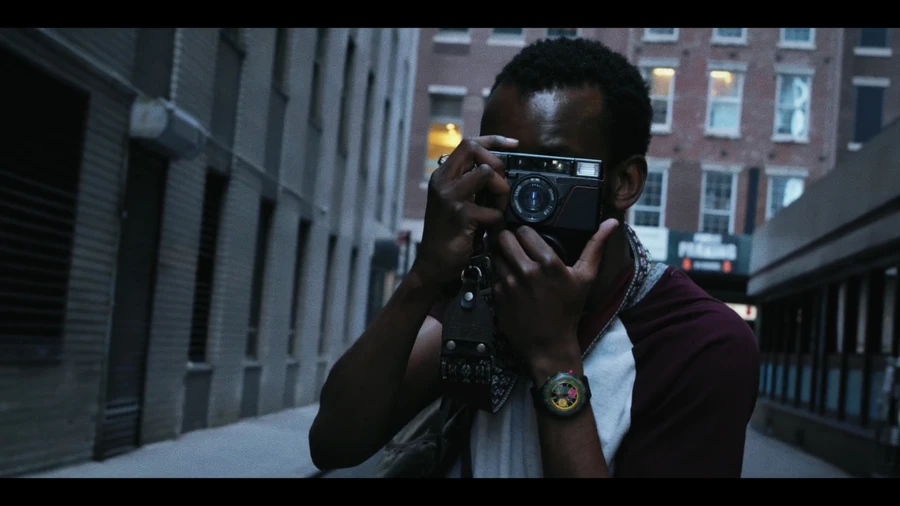 25 Exposure 36 – Feature Film2021 · 1:48 · Color
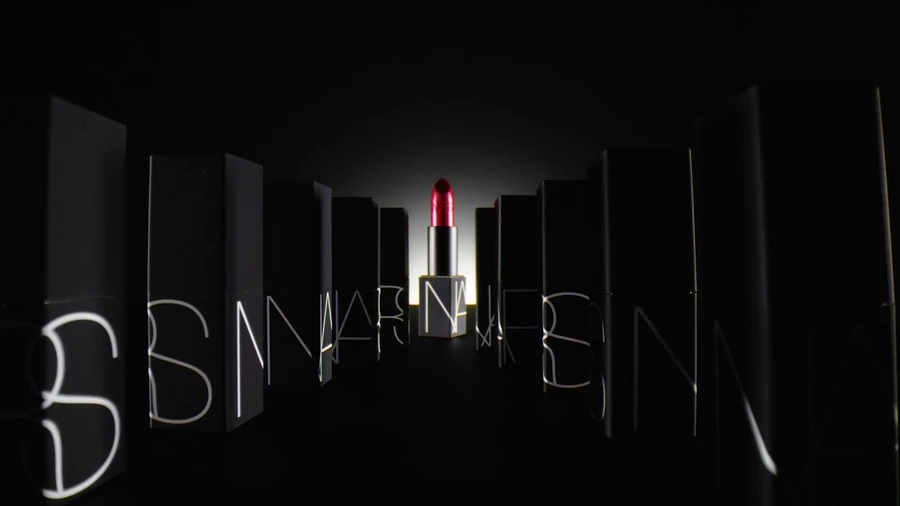 26 NARS – The Orgasm Collection2021 · 0:32 · Color
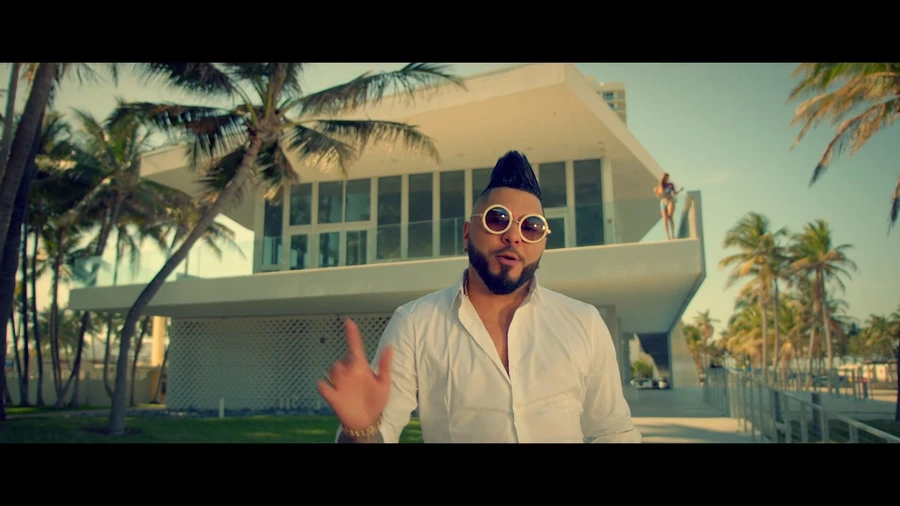 27 AMOR – Music Video2021 · 3:57 · Color
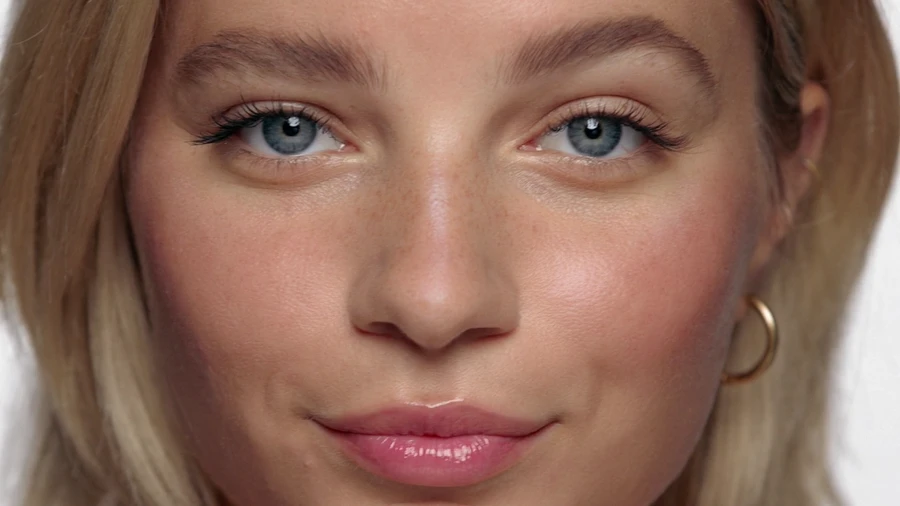 28 Covergirl – Clean Fresh2020 · 1:10 · Color
 29 Togetherband Voices – No Poverty Film2020 · 1:00 · Color
 30 Speedway Swift – Electric Scooter2020 · 0:59 · Directing
 31 G Wills – Young N (Music Video)2020 · 3:32 · Color
 32 Jyroball – Electric Rideable2019 · Directing
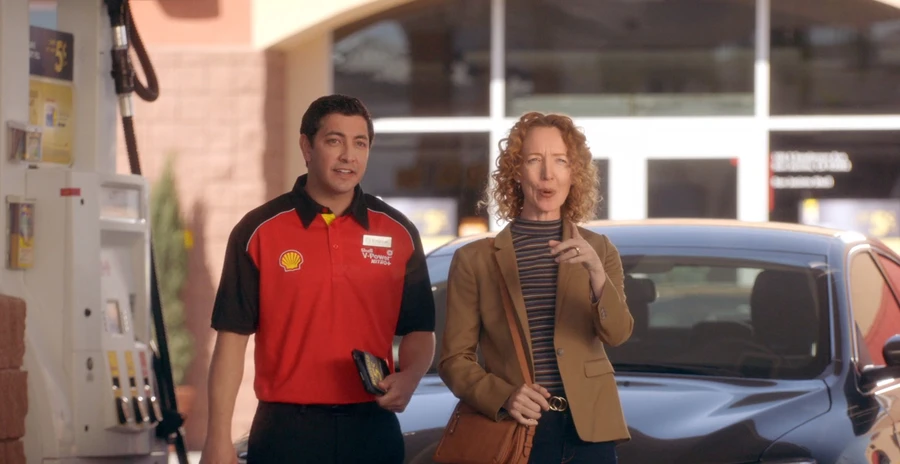 33 SHELL – Earn On Fuel2017 · 0:30 · Color
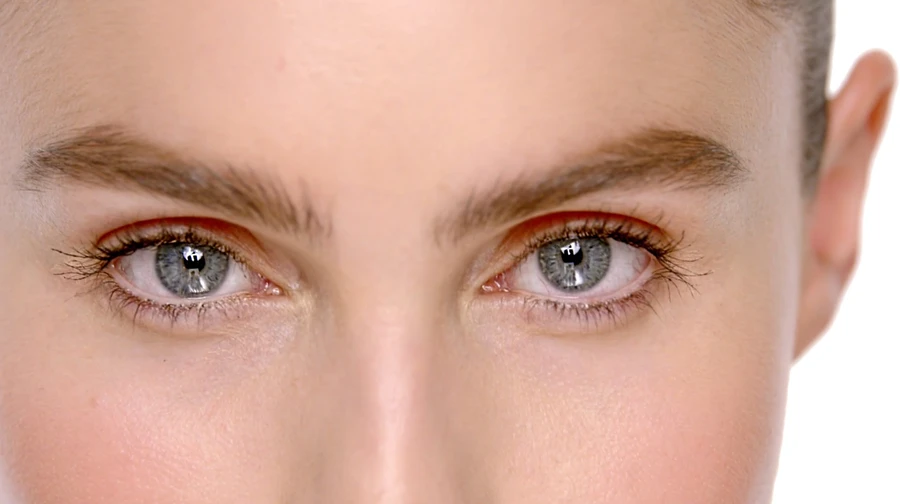 34 Clinique – Workout Mascara2017 · 0:42 · Color